
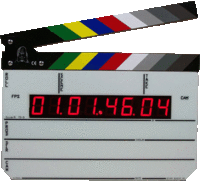
 "Lights, Camera, Action." Maybe in an old Mickey Rooney film, but that's not quite how we do it on a real set. Learn the proper sequence of commands for shooting a scene, whether on sprocketed film or electronic media.
Presentations
Elements of the Soundtrack
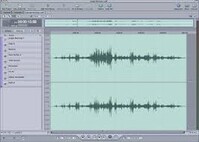 Sound is a multi-layered mixture of various elements. All things audio make up the soundtrack, and each has their own respective priorities, contexts, and purpose.
Getting Started In The Industry
 Advice to students about to graduate and looking to get started in the film industry.
A guide to creating your resume, how to network and get noticed, making the most of trade shows and film festivals, creating your own internship, and how to survive working deferred on your first films.
Audio Essentials
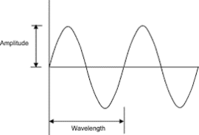 An academic in-depth look into the physics behind sound and audio, and how the science comes into play in professional audio recording.
Multitrack Workflow for Cinema/Video
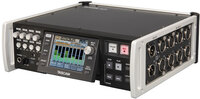 An explanation of the use of multiple audio tracks for location recording, from monaural through 8+2.
Zoom H4n Digital Recorder
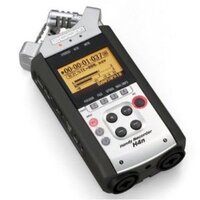 The Zoom H4n digital 2-track recorder also has limited four track capabilities and can function as a traditional 2-track field recorder, 4 channel recorder, and multi-track music recording & editing.